

Ice & Snow on the Way: How to Prepare Your Northeast Georgia Home for Treacherous Winter Weather
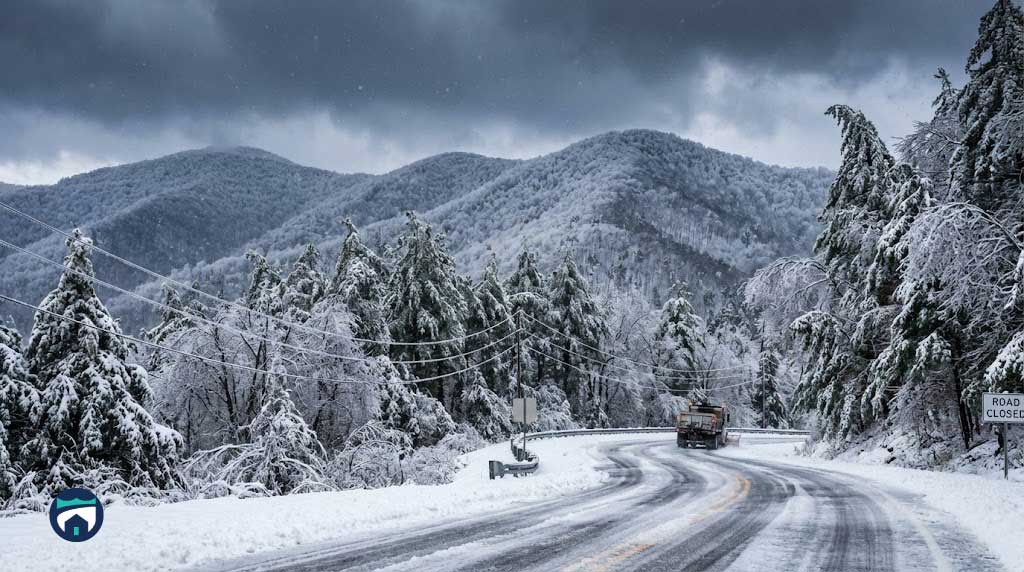
With a major ice and snow event forecast for Northeast Georgia, now is the time to get your home and family ready. Winter storms in the mountains don’t just mean slick roads — they often bring power outages, frozen pipes, limited road access, and water issues that can last for days.
Use the checklist below to prepare before conditions worsen. A little effort now can prevent expensive damage and help you stay safe and comfortable if the lights go out.
1) Prepare for Power Outages (They’re Common During Ice Events)
Ice accumulation on trees and power lines is one of the most frequent causes of extended outages in our region.
- Charge everything: phones, tablets, battery packs, and laptops
- Gather lighting: flashlights, headlamps, lanterns, and fresh batteries (avoid candles)
- Set your fridge/freezer colder than usual to help food last longer if power drops
- If you have a generator, test it now and confirm you have fuel (store fuel safely)
- Know how to manually open your garage door if the power goes out
Tip: Pick one “warm-ready” room and stage extra blankets, sleeping bags, layered clothing, and a battery lantern there.
2) Protect Pipes from Freezing (Especially If Power Is Lost)
Frozen pipes are one of the most expensive winter problems — and they often happen when a power outage stops your home from maintaining steady heat.
- Let faucets drip slowly, especially sinks on exterior walls
- Open cabinet doors under sinks to allow warmer air to circulate
- Insulate exposed pipes in crawl spaces, basements, and garages
- Locate your main water shutoff valve now (don’t wait until an emergency)
- If you are leaving town, consider shutting off water and draining lines if appropriate
If a pipe freezes, do not use open flames to thaw it. Use gentle heat and call a professional if you’re unsure.
3) Prepare for Water Interruptions and Low Water Pressure
During severe winter storms, some homes experience low pressure or temporary outages due to frozen lines, breaks, or access issues.
- Fill clean containers with water for drinking and basic needs
- Set aside extra water for pets
- Fill your bathtub for non-drinking uses (flushing toilets, basic cleaning)
- Keep a few gallons of bottled water in an easy-to-reach location
Note: If you rely on a well, remember that many well pumps require electricity. Plan accordingly.
4) Stock Up for Limited Road Access
Ice on mountain roads can make travel unsafe or impossible — even with 4WD. Assume you may need to stay put.
- Have at least 3–5 days of food that doesn’t require cooking
- Keep a manual can opener and disposable plates/utensils if water is limited
- Refill needed prescriptions and keep essential medications accessible
- Stock pet food, litter, and any pet medications
- Review your first-aid supplies and replace missing items
5) Secure the Exterior of Your Home
Heavy ice and wet snow add weight and risk to roofs, trees, and outdoor structures.
- Bring in or secure outdoor furniture, planters, and decorations
- Move vehicles away from large trees when possible
- Clear gutters if you can do so safely (to reduce ice dam risk)
- Make sure downspouts direct water away from the foundation
After the storm, avoid walking under ice-laden branches or roof edges. Falling ice can be dangerous.
6) Make Sure Your Heat Source Is Storm-Ready
Whether your home uses propane, wood, or electricity, confirm you can stay warm if conditions worsen.
- Confirm propane tanks are adequately filled
- Bring firewood inside so it stays dry and usable
- Clean fireplace ashes before the storm (not during an outage)
- Install or test carbon monoxide detectors, especially if using alternative heat
Safety reminder: Never run grills, camp stoves, or fuel heaters indoors. Carbon monoxide can build up quickly and become deadly.
7) If This Is a Getaway Home, Prepare Differently
Unoccupied homes are at the highest risk in severe winter weather. If you’re away from Northeast Georgia, your biggest threats are undetected freezing, burst pipes, and storm damage.
- Ensure your thermostat is set no lower than 55°F
- Protect pipes or shut off water (especially if you will be away for an extended period)
- Arrange for a physical property check before and after the storm
- Remember: cameras can’t smell a leak, hear a pipe hiss, or spot minor water intrusion early
8) Stay Put, Stay Informed, and Plan for Delays
Once roads ice over, utility crews and emergency services may not be able to respond quickly. Plan for slower response times.
- Avoid unnecessary travel once conditions deteriorate
- Monitor local alerts and emergency management updates
- Conserve phone battery during outages
- Check on neighbors when it’s safe, especially older residents
Final Thought: Preparation Buys Peace of Mind
Northeast Georgia winter storms are unpredictable, but preparation gives you control when conditions aren’t. Taking these steps now can help prevent major damage, reduce stress, and keep your household safer through the storm.
Need Help Preparing Your Home Before the Storm?
Ice and snow events in Northeast Georgia can create serious risks — especially for getaway homes, unoccupied properties, and homes with older plumbing or power-dependent systems. If you want added peace of mind before, during, or after the storm, Property Stewards is here to help.
Our team provides proactive, boots-on-the-ground home checks, storm preparation assistance, and post-storm inspections to help prevent costly damage and catch issues early.
Don’t wait until roads are impassable. Reach out now to schedule a storm-readiness check or to learn more about ongoing home concierge services.